





2-Year-Old Milestones: A Parent's Guide to Surviving and Thriving at This Age
Somewhere between the first steps and full sentences, your 2-year-old starts doing things that catch you off guard: combining words into short phrases, throwing a full meltdown over the wrong-colored cup, then five minutes later making you laugh so hard you forget the tantrum ever happened. If you're trying to sort out which of it is normal and which deserves a call to the pediatrician, you're not alone. This guide walks through the actual 2-year-old milestones tracked by the CDC and the American Academy of Pediatrics, organized by movement, language, thinking, and social skills, along with what happens at the 24-month checkup and, because milestones are only half the story, what is genuinely fun about this age.
What Are the Developmental Milestones for a 2-Year-Old?
The CDC's "Learn the Signs. Act Early." program tracks 2-year-old milestones across four areas: movement, language, thinking, and social-emotional growth. It's worth knowing how that checklist is built before you compare your kid against it. In February 2022, CDC updated its milestone checklists to reflect what at least 75% of children can do by a given age, rather than the 50th-percentile average used before. That shift matters. A checklist built on a 50% average will flag half of perfectly healthy kids as "behind." A 75% threshold is a more forgiving bar, and it's the one CDC and pediatricians use now, according to a summary of the update from pediatric speech-language platform Speech Sisters.
The American Academy of Pediatrics publishes its own version of these 2-year-old milestones through HealthyChildren.org, and the two lists overlap heavily. Below is a breakdown by domain, drawing on both.
What Motor Milestones Should a 2-Year-Old Have?
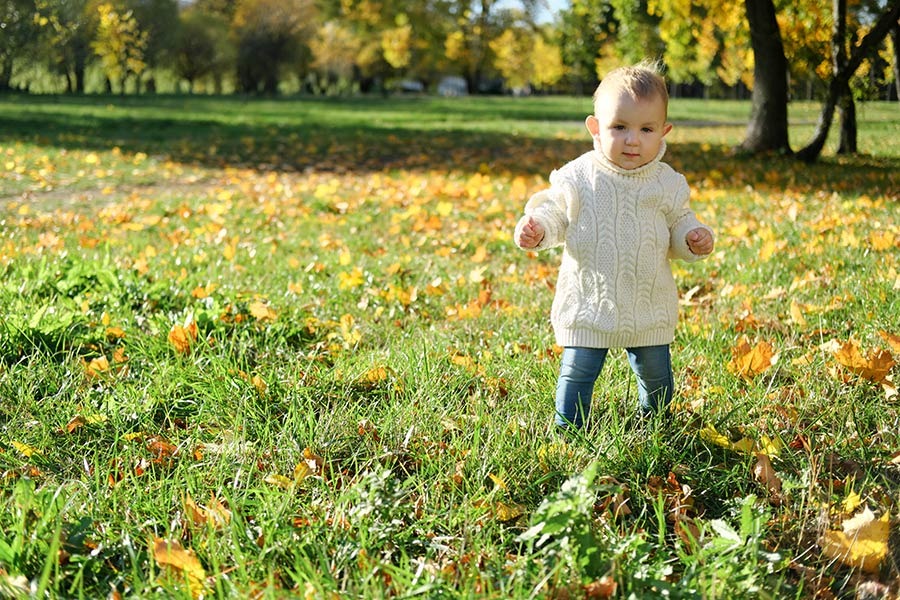
By age two, most kids are walking confidently on their own, pulling a toy behind them while they walk, and carrying a large toy at the same time. They're starting to run, standing briefly on tiptoe, and kicking a ball. Climbing onto and down from furniture without help is common, and stairs come next: CDC counts walking up a few stairs, with or without help, among its 24-month milestones, and HealthyChildren.org notes many 2-year-olds can go up and down holding a railing or an adult's hand.
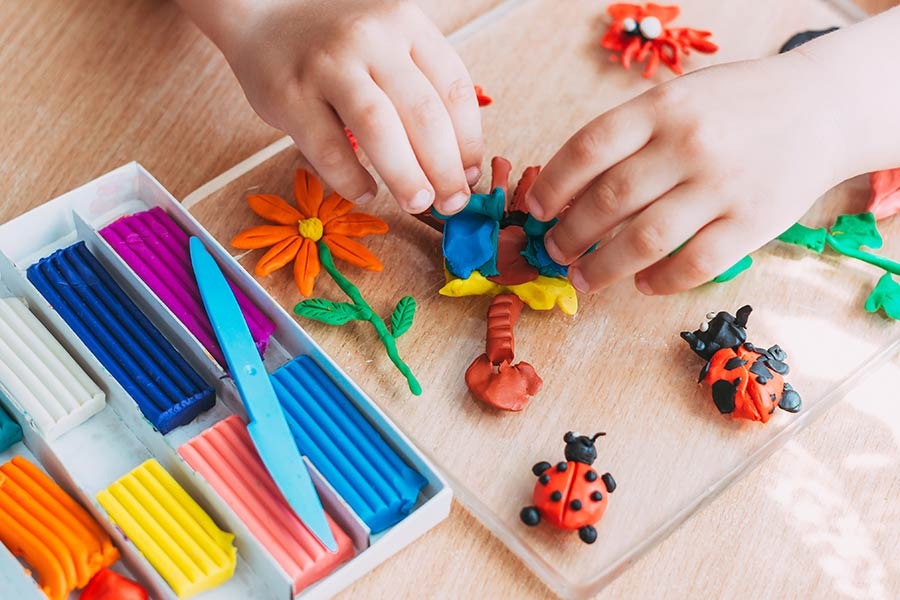
Fine motor skills show up too. Eating with a spoon is on CDC's 24-month milestone list. AAP adds scribbling on paper without being shown how, turning a container upside down to dump out the contents, stacking a tower of four blocks or more, and an emerging preference for one hand over the other.
Growth itself follows a fairly predictable pattern at this age. Kids typically gain about 4 to 6 pounds and grow 2 to 3 inches over the year, according to pediatric platform Huckleberry. Blueberry Pediatrics, whose guide was medically reviewed by Dr. Melissa Tribuzio, puts the 24-month median around 27.9 pounds and 34 inches for boys and around 26.6 pounds and 33.5 inches for girls, based on CDC growth charts. Treat these as typical ranges, not a target your child has to hit exactly. Most 2-year-olds also have about 16 of their 20 baby teeth in by now, with the rest usually arriving by age 2.5 to 3.
What Should a 2-Year-Old Be Saying?
By 24 months, most kids are stringing together their first real phrases. CDC's checklist marks two specific milestones here: pointing to something in a book when you ask ("Where is the bear?") and saying at least two words together, like "more milk." That second one, word combining, is the milestone most parents watch for, and it's the clearest signal that a child is moving from single words into real language.
AAP fills in more detail. By this age, a child typically points to a named object or picture, understands the names of familiar people and body parts, follows simple one-step instructions, and repeats words they overhear. Simple phrases usually start between 18 and 24 months, and from there kids build toward two- to four-word sentences.
Vocabulary size varies a lot child to child. Huckleberry's guide estimates a typical 24-month vocabulary in the range of 50 to 100 words, expanding toward 200 to 1,000 words by age three, with most speech organized into two- to three-word phrases. If your child is well outside that range in either direction, that's worth a conversation with your pediatrician rather than something to diagnose from a blog post.
What Cognitive Milestones Happen at Age Two?
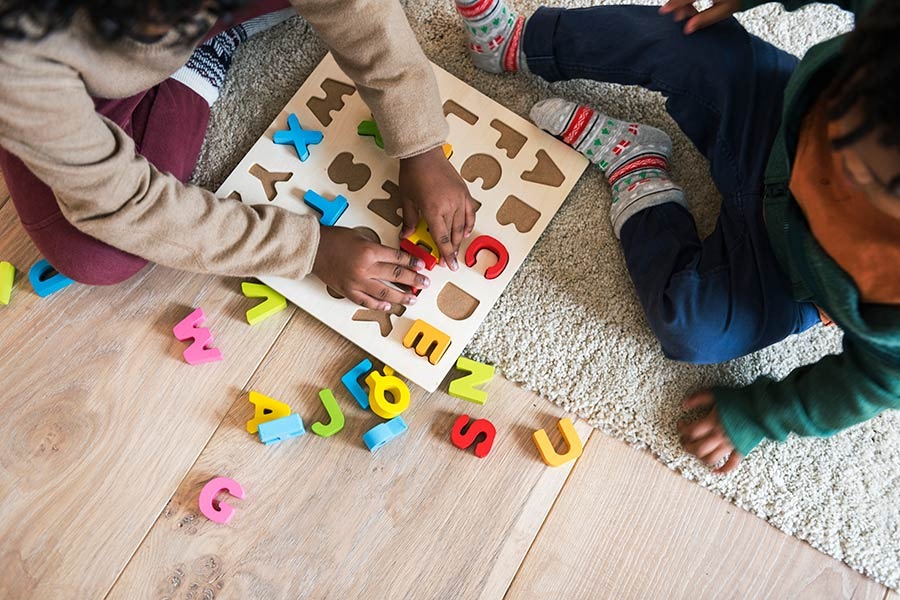
Thinking skills at this age are less about facts and more about how a child interacts with objects and problems. Two specific things show up on CDC's cognitive list: trying to use switches, knobs, or buttons on a toy, and playing with more than one toy at a time in a way that shows connection, like putting toy food on a toy plate.
AAP describes a similar picture. A 2-year-old can usually find an object hidden under two or three covers, which shows they understand that things still exist even when out of sight. Sorting by shape or color is starting to emerge, and so is make-believe play, feeding a doll, talking on a toy phone, pushing a truck while making engine noises. These are early problem-solving skills wearing a costume of play.
What Social and Emotional Milestones Show Up at Age Two?
Empathy starts small at this age. It's on CDC's list too: noticing when someone else is hurt or upset, like pausing or looking sad when another child starts crying. It's a small but real sign, and it shows up before a child has the words to describe what they're noticing.
AAP rounds out the picture. Two-year-olds imitate the adults and older kids around them, and they're developing a clearer sense of themselves as separate people from their parents. Many become more enthusiastic about being around other children, even if true back-and-forth play is still a couple of years off. Independence shows up constantly, wanting to do things "myself," and so does its flip side: the beginning of defiant behavior. Separation anxiety, which often peaks somewhere in the second year, tends to ease as a child gets closer to age three.
What's a Quick Checklist for 2-Year-Old Milestones?
If you want the short version to compare against your own child, here's a compressed list pulling from the CDC and AAP domains above.
Movement: walks alone, runs, kicks a ball, climbs on and off furniture, walks up a few stairs, eats with a spoon
Language: says at least two words together, points to pictures on request, understands names of familiar people and body parts, follows simple instructions
Thinking: uses switches, knobs, or buttons on toys, plays with more than one toy in a connected way, finds an object hidden under a cover, begins make-believe play
Social and emotional: notices when someone else is hurt or upset, imitates adults, shows growing independence, may show early defiant behavior
Every child moves through this list at their own pace. CDC's 75% threshold means a portion of typically developing 2-year-olds haven't hit every single item yet, so missing one or two on their own usually isn't cause for alarm. A pattern of several missed milestones, or the loss of a skill your child already had, is what CDC and pediatricians want a parent to flag.
When Should I Be Concerned About My 2-Year-Old's Development?
CDC's own guidance is direct on this: if your child isn't meeting one or more milestones, has lost a skill they used to have, or you simply have a concern that won't go away, talk to your pediatrician and ask about developmental screening. Don't wait to see if it resolves on its own.
That advice matters more than it might sound. Losing a previously mastered skill (a true regression, not the same thing as a brief rough patch during a growth spurt) is one of the clearer red flags in early childhood development, and it's the kind of thing a pediatrician should evaluate rather than something to watch and wait on. Autism screening is part of the standard schedule at this age too. AAP recommends it at both 18 and 24 months, regardless of whether a parent has raised any specific concern, according to Blueberry Pediatrics' guide. Screening at this stage is a normal, routine part of pediatric care, not a sign that anything is necessarily wrong.
What Happens at the 2-Year (24-Month) Well-Child Visit?
The 24-month checkup covers more ground than a typical sick visit. According to AAP's checkup guidance published on HealthyChildren.org, your pediatrician will do a complete physical exam, check developmental and language milestones against the standard checklist, catch up on any vaccines that fell behind schedule, and offer a flu shot if it's flu season.
Autism screening happens at this visit as part of the routine 18- and 24-month schedule, and lead poisoning screening is standard too. Depending on your child's individual risk factors, the pediatrician may also screen for anemia, tuberculosis, blood pressure concerns, or hearing and vision issues. That's a lot packed into one appointment. Bring a written list of anything you've noticed beforehand, since it's easy to forget a question once the exam is underway.
One more thing that often comes up at this visit: screen time. Current AAP guidance points to roughly one hour a day of high-quality content for children ages 2 to 5, per Blueberry Pediatrics' summary of the recommendation. It's a good question to bring up if you're not sure what counts as "high quality" for a 2-year-old.
Are the "Terrible Twos" Normal?
Short answer: yes. Tantrums, defiance, and sudden mood swings are described as typical and near-universal at this age across pediatric sources, and they're not a sign of bad parenting or a problem with your child. The behavior comes from a real gap in brain development, the parts of the brain that generate big emotions mature well before the parts that manage self-control, so a 2-year-old feels frustration at full volume long before they have any way to dial it down.
This piece keeps that part brief on purpose, because two other guides on this site already cover it in depth. If you want the full explanation of what's happening in your toddler's brain during a meltdown, read our guide to the toddler growth spurt. If you're specifically weighing whether your 2-year-old is ready to move from a toddler classroom into something more structured, our piece on the Twaddler Transition walks through that decision and what tantrums look like during the move.
What's Actually Fun About Parenting a 2-Year-Old?
Milestone checklists and tantrum explanations only cover half of what turning two is actually like. The other half is, honestly, one of the more delightful stretches of early parenting, and it doesn't get nearly enough airtime.
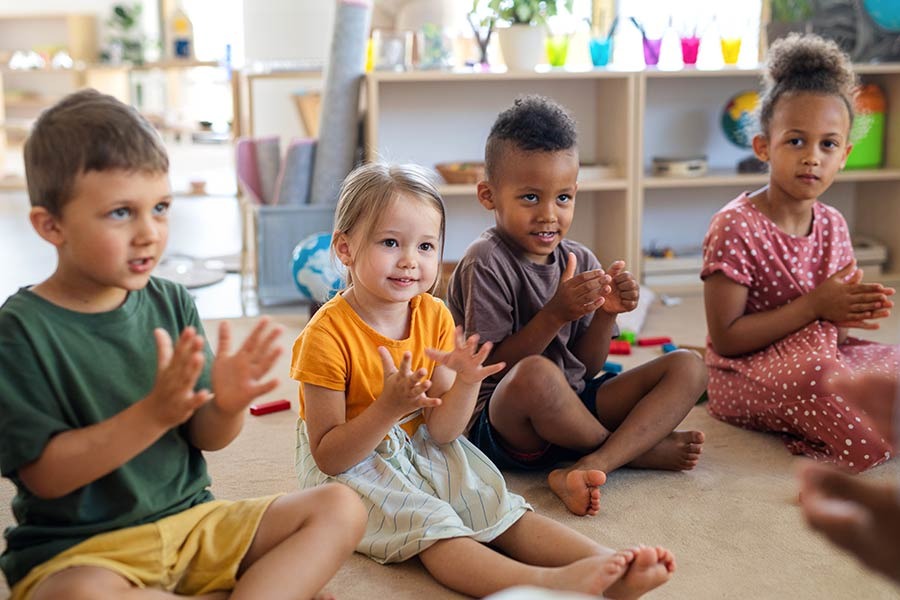
Parenting site Motherly published a list of reasons two-year-olds are magical rather than just terrible, and a lot of it will sound familiar if you're living it right now. That loyalty at two is unfiltered. They'll love you at your worst, on the days you snapped at breakfast or lost your patience in the car. They also live entirely in the present moment in a way most adults have forgotten how to do, which has a strange side effect: it slows you down too, because you can't rush a kid who's stopped dead on the sidewalk to watch a bird land on a fence.
That same list notices something else worth paying attention to: kids this age catch small details adults walk right past. A passing garbage truck. A crack in the sidewalk shaped like something. A bug on a leaf. None of it is remarkable to you, and all of it is fascinating to them, and spending time at that pace, even for ten minutes, tends to reset something in a tired adult brain.
Pretend play deserves its own mention here, because it's both one of the funniest parts of this age and one of the most developmentally important. According to HealthyChildren.org's guide to pretend play, imaginative play with dolls, toy animals, trucks, dress-up clothes, or favorite characters often starts around the same time a child says their first real words, and it keeps building from there. It's not just cute. AAP notes that pretend play builds teamwork, turn-taking, and communication skills, supports symbolic thinking that underpins language development, and gives kids a low-stakes way to rehearse independence and problem-solving by acting out real situations they've seen. AAP's practical suggestion for parents: keep some dress-up clothes and props on hand, let your child lead the scene instead of directing it yourself, offer everyday objects for creative reuse, like a cardboard box that becomes a boat, and use an upcoming event, a trip to the doctor, a new sibling, as inspiration for play beforehand.
Motherly's list adds one more thing worth naming directly: kids this age are funny. Genuinely, reliably funny, in a way that catches you off guard on a hard day. Their honesty is unfiltered too. If your outfit looks silly, they'll tell you. If they're delighted, you'll know immediately, no interpretation required. That combination, the loyalty, the noticing, the play, the humor, is a real part of what age two is, right alongside the tantrums, and it deserves equal billing.
How Does Strong Roots Support Two-Year-Olds in Northridge?
At Strong Roots Preschool in Northridge, the Toddler Care program is built around exactly this stage, ages two to three, with structured daily activities, outdoor play, and three meals and snacks provided Monday through Friday. For families whose child is ready for a bit more structure between two and a half and three and a half, our Young Preschool Care program bridges Toddler Care and our full Preschool classroom.
Staff work at a 1:4 toddler ratio, which we describe as a floor rather than a target: it's the minimum we hold ourselves to, not the number we're aiming for. Every teacher holds a CDA credential or an equivalent California qualification, along with CPR and First Aid certification, before they're ever alone with a group of children. Our curriculum draws on play-based learning, Montessori-inspired methods, and STEAM principles inside a family-style classroom environment. We're upfront that Strong Roots isn't a formally certified Montessori school; we borrow ideas from that approach and build our own program around them.
There's also a weekly Armenian language class across both Toddler Care and Young Preschool Care. Founder Narine Mazmanyan built that into the program because many Armenian-American children lose active fluency in the language by around age seven, which makes these preschool years a real window for building it while it's still forming. Mazmanyan founded Strong Roots in 2022 after training in psychology and pedagogy at the Pedagogical Institute of Armenia, medicine at Armenian State Medical College, and further study at LA ORT College and Marian College here in the United States. Strong Roots is CCRC licensed under California license #195700760, located at 9054 Darby Ave, Northridge, CA 91325.
None of this replaces your pediatrician's milestone checklist or your own read on your child's development. What a program like ours can do is give a 2-year-old the same familiar faces, the same routines, and the same encouragement every single day, at exactly the age when that kind of consistency helps the most.
How Do I Enroll My 2-Year-Old at Strong Roots in Northridge?
If you're a Northridge or San Fernando Valley parent trying to figure out whether your 2-year-old's milestones line up with what you're seeing at home, or you're simply looking for a warm, structured place for your child to spend their days, reach out. Call (323) 990-8181 or email info@strongrootspreschool.com to ask about openings or set up a classroom tour. You can also find current program details on our Programs page. Seeing the Toddler Care classroom in person, and meeting the teachers who'll be with your child every day, tends to answer more questions than any brochure can.