









Quality Preschool Programs for Your Child's Success
Choosing quality preschool programs is one of the most important decisions I can make for my child's future. These programs serve as the cornerstone for early childhood education, fostering essential skills that contribute to holistic development. Research highlights that well-structured preschool experiences enhance cognitive, emotional, and social abilities, preparing my child not just for kindergarten, but for life. In this guide, I will delve into the key aspects of preschool, illustrating how selecting the right program unlocks the full potential of my child and supports their overall well-being.
Understanding Early Childhood Education
Early childhood education plays a critical role in shaping a child’s future. This period encompasses the formal and informal educational experiences from birth to age eight. Engaging in early learning experiences can significantly influence a child's cognitive abilities, emotional intelligence, and social skills. In my journey, I've observed how vital it is for children to be involved in structured preschool environments that foster their holistic development.
Importance of Early Learning
The significance of early learning cannot be overstated. Research illustrates that children who participate in effective preschool programs exhibit improved language and math skills as they prepare for kindergarten. By investing in early childhood education, we provide children with the tools they need to excel academically. Furthermore, early exposure to collaborative and playful learning environments enhances social-emotional development, helping them form essential relationships.
Key Components of Effective Programs
When considering preschool options, I focus on several key components of education that contribute to effective early childhood education. Quality programs should incorporate a balanced mix of play and structured learning. These components include:
Play-based learning: Encouraging exploration and creativity through play.
Social interaction: Facilitating opportunities for children to collaborate and communicate with peers.
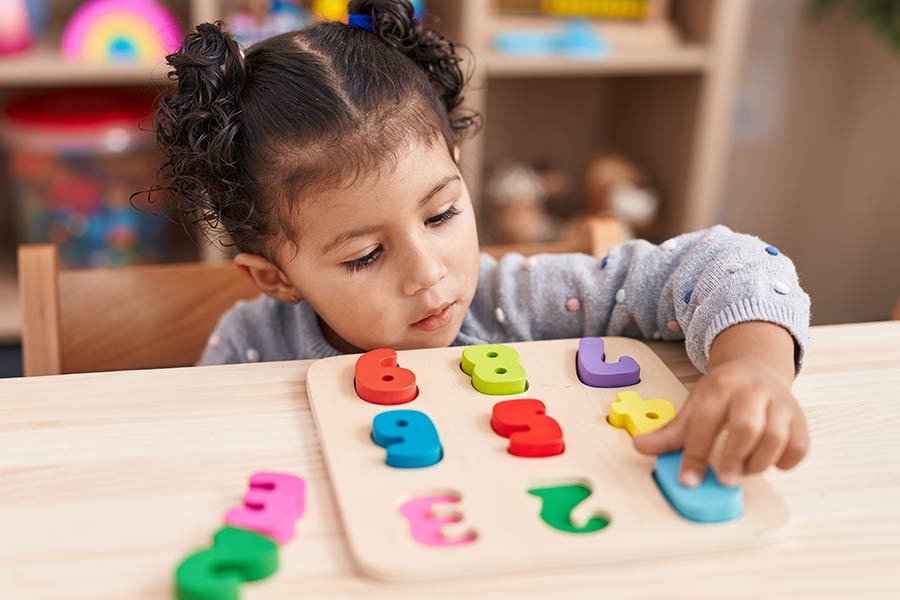
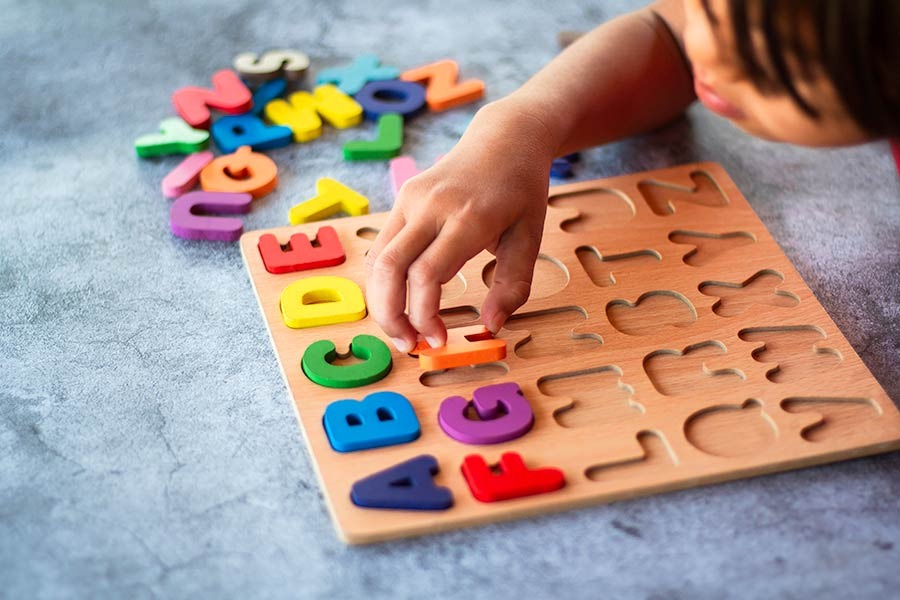
Academic engagement: Introducing foundational concepts in a fun and interactive manner.
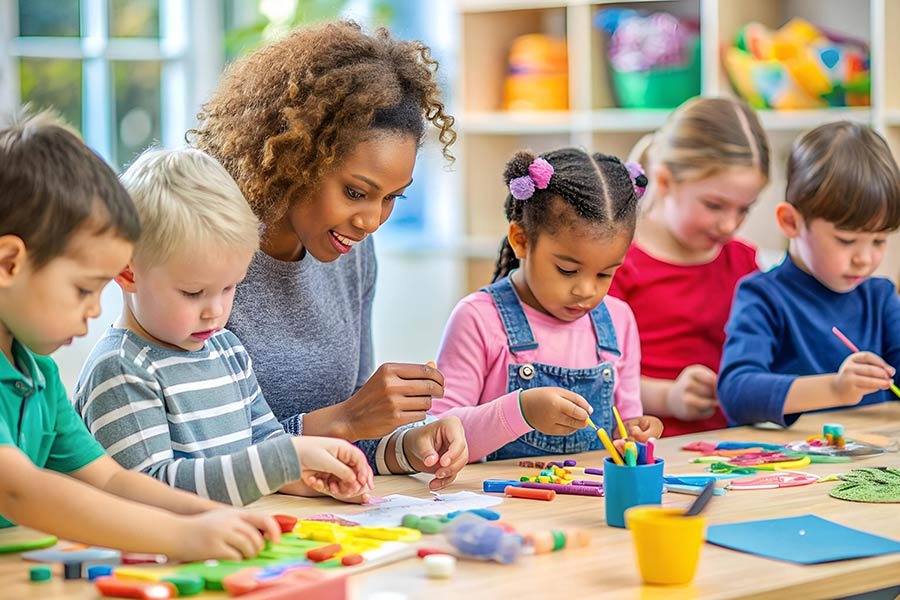
Creative pursuits: Incorporating arts and crafts to stimulate imagination and innovation.
By prioritizing these elements, early childhood education can truly enhance a child's developmental journey, paving the way for a successful transition into more formal educational settings.
What to Look for in Quality Preschool Programs
Choosing the right quality preschool programs requires careful consideration of several essential factors. The credibility of a program often hinges on its accreditation status and the effectiveness of its curriculum and preschool teaching methods. As I analyze various options, I prioritize these elements to ensure that my child receives the best possible early education.
Accreditation and Certifications
Accreditation serves as a vital indicator of a preschool program’s legitimacy and commitment to quality. Organizations such as the National Association for the Education of Young Children (NAEYC) and other regulatory bodies grant accreditation to programs that meet stringent standards. This recognition assures parents that the program employs best practices in education, enhancing the trust I place in my child's learning environment.
Curriculum and Teaching Methods
The curriculum and preschool teaching methods are instrumental in shaping my child's educational experience. I look for programs that emphasize play-based learning, allowing children to explore concepts through hands-on activities. Creative expression is another crucial component, as it fosters individuality and confidence. Individualized instruction tailored to each child's unique needs ensures that their developmental milestones are appropriately supported. Evaluating these aspects helps me select a preschool program that nurtures my child's growth and readiness for future educational challenges.
Play-Based Learning: A Key to Success
As I delve deeper into preschool education, it becomes clear that play-based learning forms the backbone of effective early childhood programs. This approach not only captivates young minds but also supports holistic child development. Engaging in play allows children to cultivate essential skills while experiencing the joy of discovery.
Benefits of Play in Early Education
The benefits of play in early education are profound. Children learn through exploration, gaining critical thinking skills and creativity in the process. As they interact with their environment, they develop social abilities, fostering teamwork and communication. Play-based learning not only nurtures a love for learning but also prepares children for future academic challenges.
Incorporating Play into the Curriculum
I believe effective preschool programs must integrate play throughout the curriculum. By embedding play into daily activities, educators create an environment where students can freely explore and experiment. This method encourages natural learning, enabling children to master essential skills in a meaningful context. The versatility of play fosters imaginative thinking and problem-solving, key components for success in their educational journey.
The Role of Social Development in Preschool
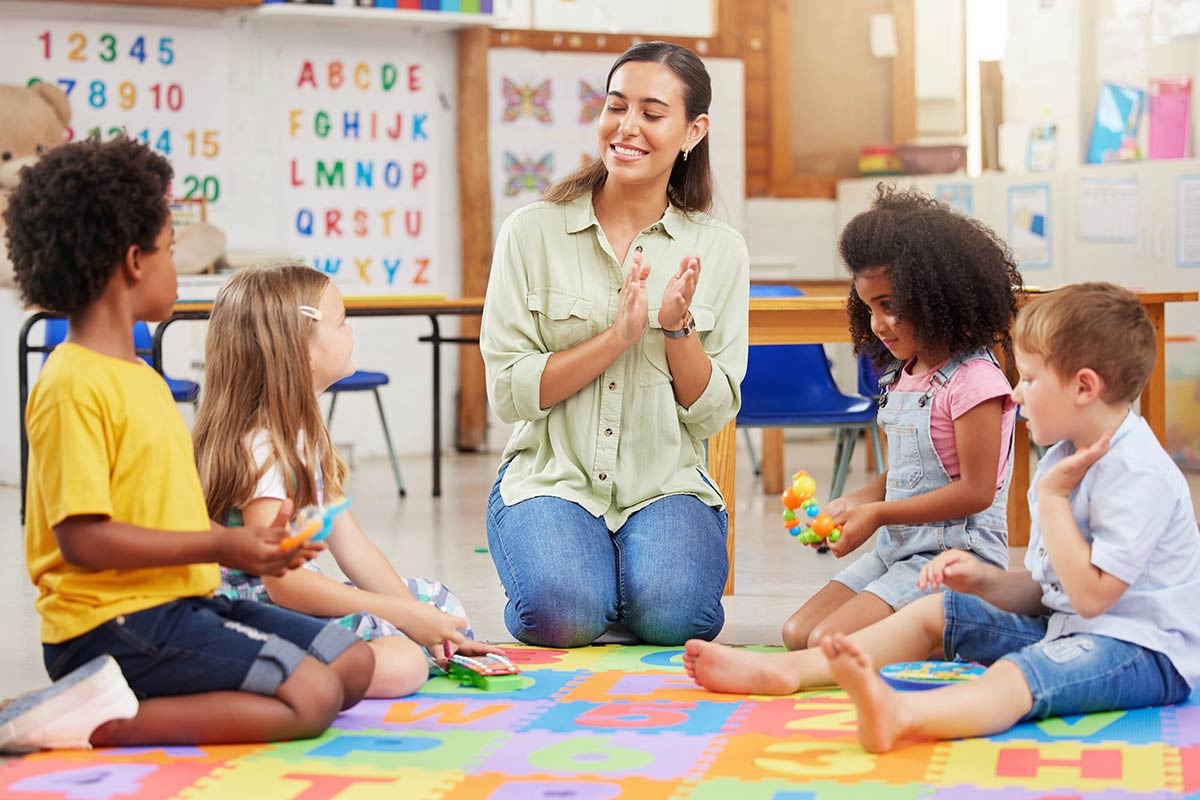
Social development plays a crucial role during the preschool years. As children engage with their peers, they learn to navigate complex social interactions, which lays the foundation for future relationships. I recognize the importance of choosing programs that prioritize opportunities for peer engagement, allowing my child to build preschool friendships while developing essential social skills.
Building Friendships and Social Skills
Through structured activities and play, children can form lasting friendships. I find that a supportive environment fosters collaboration, empathy, and communication among peers. When programs promote social interaction, my child learns to share, cooperate, and resolve conflicts effectively, which are all components of strong social skills.
Conflict Resolution and Emotional Growth
Conflict resolution strategies are vital for emotional growth. I seek programs that teach my child how to address disagreements constructively. By learning to communicate feelings and find solutions, my child develops resilience and self-regulation. This approach not only enhances emotional intelligence but also equips my child with tools necessary for navigating relationships in various settings.
Choosing the Right Learning Environment
When selecting a preschool, the learning environment is a crucial aspect to consider. Striking a balance between indoor and outdoor spaces can significantly influence the overall developmental experience of my child. Each setting presents unique opportunities for growth and exploration.
Indoor vs. Outdoor Learning Spaces
Indoor spaces in a preschool should be designed to stimulate creativity and cognitive skills. Bright colors, engaging educational materials, and flexible layouts allow for various learning activities. Equally important are outdoor spaces, which provide opportunities for physical exercise and sensory experiences. Outdoor play is essential for my child's physical development, encouraging them to run, climb, and interact with nature.
Safety and Comfort Considerations
Ensuring safety in a child's learning environment cannot be overlooked. I prioritize preschools that maintain secure, well-organized facilities with age-appropriate materials. Cleanliness and accessibility further enhance comfort. Well-maintained indoor and outdoor areas not only protect my child but also provide a welcoming atmosphere that fosters learning.
Preschool vs. Daycare: Understanding the Differences
When it comes to the education and care of my child, understanding the differences between preschool and daycare is crucial. While both serve important roles, they prioritize different aspects of a child's development, catering to distinct needs.
Academic Focus vs. Care Services
Preschool programs generally emphasize an academic focus, introducing foundational skills in literacy, math, and social studies through structured activities. In contrast, daycare primarily provides care services for working parents, where the main goal is to ensure a safe and nurturing environment. During preschool, children engage with curricula designed to stimulate cognitive development, which helps prepare them for future schooling.
Age-Appropriate Activities
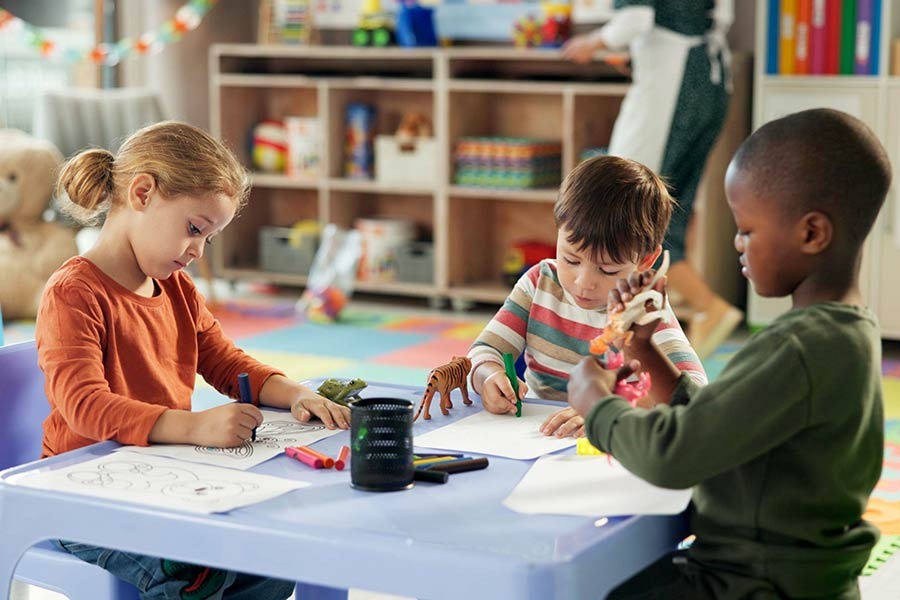
It is essential that the programs I consider offer age-appropriate activities tailored to my child's developmental stage. At preschool, children participate in guided educational experiences that promote learning through play, art, and group interactions. Daycare facilities typically incorporate fewer structured learning experiences, focusing more on keeping kids engaged and safe during the day. Recognizing these differences helps me make an informed choice about which setting aligns with my child's needs as they grow and develop.
Montessori Methods in Preschool Education
The Montessori approach to preschool education stands out due to its unique principles that focus on the holistic development of children. This method emphasizes child-led learning, where children are encouraged to explore their interests. In a Montessori classroom, mixed-age groups create a collaborative environment that nurtures social skills and collective learning experiences. Hands-on activities are central to this approach, making learning both engaging and effective.
Key Principles of Montessori Approach
Understanding the Montessori principles can greatly influence how we perceive preschool education. Key features include:
Child-led exploration: Children have the freedom to choose activities that interest them, fostering independence.
Mixed-age classrooms: This setup allows younger children to learn from older peers while older children reinforce their knowledge by teaching others.
Hands-on learning: Practical activities promote active engagement and help reinforce concepts through real-world applications.
Benefits for Child Development
The benefits of the Montessori method for child development are abundant. By promoting independence, I can see my child developing critical thinking and self-motivation skills. The Montessori environment nurtures natural curiosity, which aligns perfectly with developmental goals. Additionally, respect for others is a core aspect of Montessori principles, fostering empathy and collaboration.
By integrating these methods into preschool education, we support a well-rounded approach to child development that prepares children for lifelong learning.
Involving Parents in the Preschool Journey
Active parent involvement plays a pivotal role in maximizing the preschool experience for my child. I have found that establishing clear and open communication with educators is essential. This connection not only keeps me informed about my child's progress but also highlights areas needing more attention. By fostering this relationship, I can better support my child's learning journey.
Communication with Educators
Maintaining effective communication with preschool educators is about more than just discussing my child's day. Regular check-ins allow me to share insights and ask questions, creating a partnership that enhances my child's early education. My willingness to engage in discussions leads to a greater understanding of how I can be involved in my child's development. I prioritize attending parent-teacher meetings and utilizing any communication tools provided by the school. These efforts ensure that I stay informed and actively participate in my child's learning process.
Supporting Learning at Home
Supporting learning at home is a natural extension of what my child experiences in preschool. I integrate educational activities into our daily routines. Simple actions, such as reading together, engaging in arts and crafts, or going on nature walks, turn ordinary moments into valuable learning opportunities. I emphasize the importance of play and exploration, which mirrors the hands-on experiences provided by preschool. This approach not only reinforces skills but also ignites my child’s enthusiasm for learning, ensuring that their curiosity continues to flourish outside the classroom.
Transitioning from Preschool to Kindergarten
As my child prepares for the transition into kindergarten, I recognize the importance of ensuring they are emotionally and academically ready for this significant step. The journey from preschool to kindergarten can be a transformative experience, so I focus on effective preparation strategies that ease any apprehensions my child may have.
Preparing Your Child for the Next Step
To set the foundation for success, I introduce my child to structured routines that mirror kindergarten's daily activities. This may include:
Establishing set times for learning and play to promote a sense of stability.
Incorporating basic academic tasks, such as counting and letter recognition, into our everyday activities.
Encouraging group play with peers to enhance social skills and teamwork.
Tips for Smooth Transitions
To ensure smooth transitions during this critical period, I actively seek programs that offer support for families. These programs often include:
Orientation sessions that familiarize both children and parents with the new environment.
Parent workshops that provide valuable strategies for supporting children during the transition.
Ongoing communication with educators to create a consistent support system.
With thoughtful preparation and support, I can help my child embark on this exciting journey with confidence and enthusiasm.
Finding Affordable Preschool Programs
Identifying affordable preschool programs can feel overwhelming, especially when trying to balance quality education with budget constraints. I have discovered various options that ease this financial burden significantly. I actively explore scholarships and financial aid opportunities provided by local preschools and educational organizations. These resources play a crucial role in making early education accessible for my child.
Exploring Scholarships and Financial Aid
Scholarships and financial aid options are essential for families seeking affordable preschool programs. Many preschools offer financial assistance based on need or merit, leading to reduced tuition costs. I make it a priority to research these opportunities to ensure I can provide my child with valuable educational experiences without overextending my finances.
Community Resources for Assistance
Community resources are invaluable assets in this search. Numerous nonprofit organizations compile lists of affordable preschool options and available financial assistance. I connect with local community centers and advocacy groups to access these resources, making it easier to find suitable and affordable preschool programs for my child.
Conclusion
Quality preschool programs are essential in laying a strong foundation for my child's success in later years. Early childhood education is not just about imparting knowledge; it involves a comprehensive approach to ensuring holistic development. I recognize that the right preschool choice will impact my child’s emotional, social, and academic growth, fostering a well-rounded individual ready to face future challenges.
As I navigate this crucial stage, I've learned the importance of evaluating key components in preschool programs, including curriculum and teaching methods. By actively participating in my child's educational journey and maintaining open communication, I can assure that their learning experience is enriched and aligned with their unique needs.
Ultimately, investing time and effort in selecting quality early childhood education will open doors for remarkable child growth. I'm dedicated to setting the stage for a bright future, knowing that the right preschool can unlock incredible opportunities for my child.