


Is a Montessori Preschool Right for Your Child? A Parent's Guide
Making decisions about our child's schooling is big. It's important to understand what Montessori preschools offer. This guide talks about how Montessori schools started and what they believe in. It helps us see if this way of learning fits our child.
Our main aim is to choose the best school for our kid. Knowing about Montessori can help us decide. We want our child to learn in a way that's best for them.
Understanding Montessori Education
Dr. Maria Montessori created this way of learning in the early 1900s. It helps kids learn by doing things themselves and playing with others. Kids learn better because they do things they choose and work with others. Montessori’s ideas help make a place where kids love to learn and grow on their own.
The Origins of Montessori Principles
Dr. Montessori wanted to change schools to fit what kids naturally do. She thought kids should pick what they want to learn. This helps them learn in their own special way. They get to explore and find out new things with guidance.
Core Philosophies Behind Montessori Learning
Montessori learning puts the kid at the center. Its key ideas are about helping kids grow in the best way for them. In Montessori schools, kids of different ages learn together. This helps them make friends and learn from each other. We help kids follow what they love, helping them enjoy learning forever.
The Benefits of Montessori Preschools
Montessori schools help kids grow in important ways. They teach kids skills they'll use their whole lives. Kids learn to study on their own from the start.
Fostering Independence and Confidence
Kids in Montessori schools choose what they want to learn about. This builds their independence. They lead their own learning, which makes them more confident and ready for the future.
Promoting Critical Thinking and Problem Solving
Kids do hands-on activities that make them think and solve problems. They're encouraged to explore and ask questions. This helps them find answers on their own. It boosts their brainpower to solve harder problems later.
Encouraging Social Interaction and Community
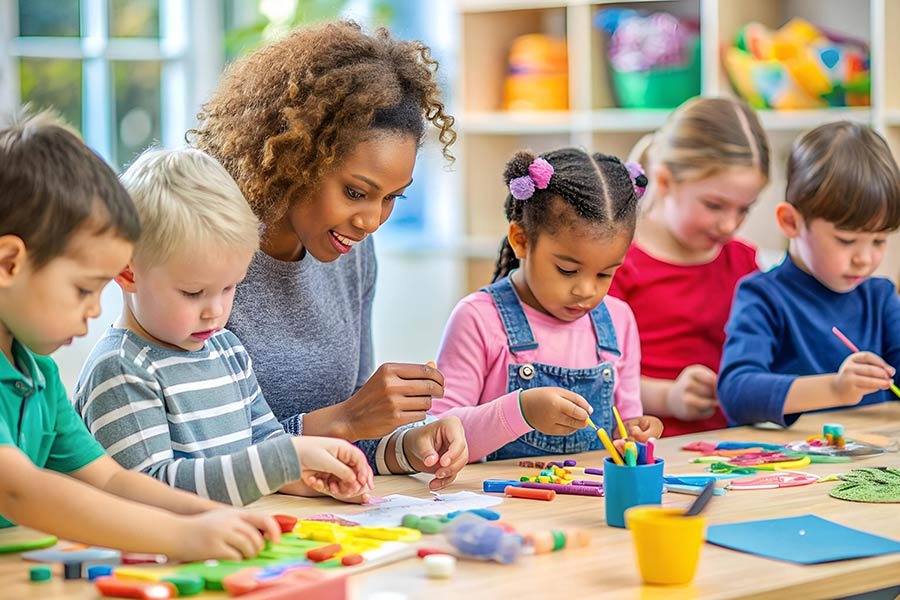
Montessori classes have kids of different ages learning together. Older and younger kids help each other. They build social skills and learn to work as a team. This creates a caring community. It's a great way to learn how to make friends and get along with others.
What Makes a Montessori Preschool Unique
Montessori preschools are special because they focus on learning by doing. Kids get to touch and use different things to understand ideas. They learn not just by hearing but by experiencing. This method helps them love learning. It makes school fun and useful.
Hands-On Learning Experiences
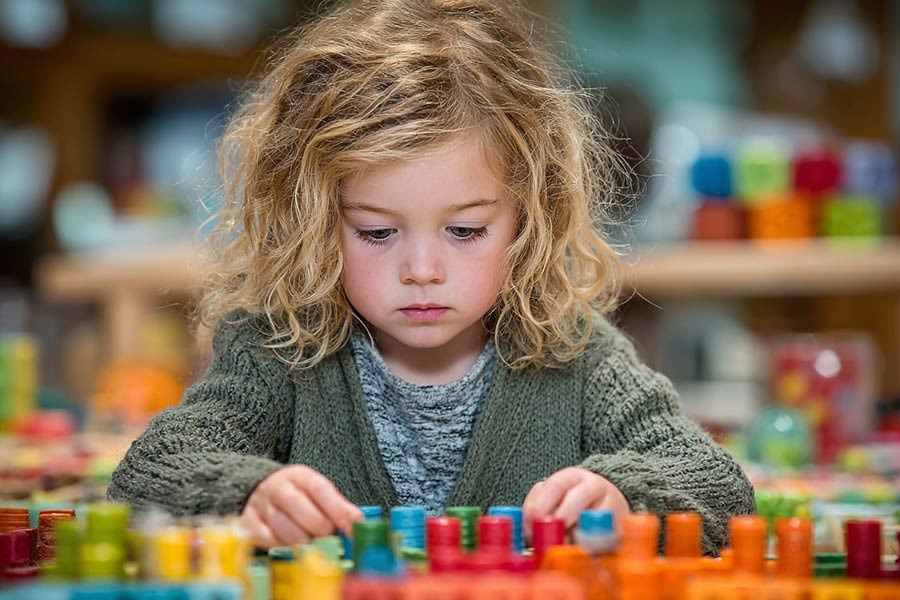
In Montessori schools, kids learn by touching and doing. They play with different things to learn about many topics. Playing like this helps them remember and understand better. Kids do experiments and make art. This helps them know more.
Multi-Age Classrooms and Peer Learning
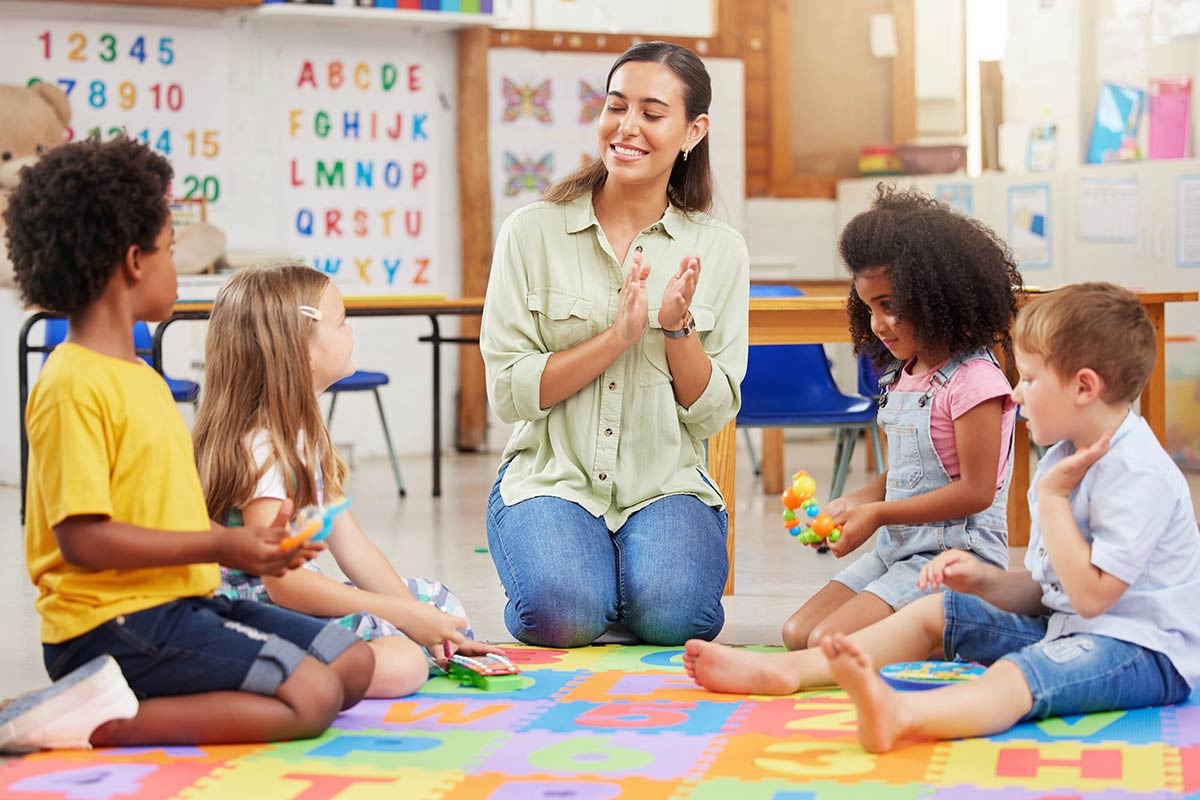
Montessori schools also have classes with kids of different ages. This helps everyone get along. Younger kids learn from older kids. Older kids teach the younger ones what they know. This way, all kids learn to work together and be nice to each other. They become friends no matter their age.
| Aspect | Hands-On Learning | Multi-Age Classrooms |
|---|---|---|
| Description | Children learn through direct interaction with materials, enhancing understanding | Children of varying ages interact, allowing for mentorship and peer teaching |
| Benefits | Promotes active engagement and critical thinking | Fosters social skills and collaborative teamwork |
| Learning Style | Supports kinesthetic and experiential learning | Encourages diverse learning approaches through collaboration |
| Outcome | Deep understanding of concepts, retention of knowledge | Confidence in sharing knowledge, mutual respect across ages |
Evaluating Your Child's Learning Style
It's key to know how our kids learn best. Montessori education is all about what works for them. By watching what they like, we learn how they see the world. We see their learning style by what they enjoy doing. This helps us guide them in school.
Observing Your Child's Interests and Preferences
Watching what our kids like tells us what makes them excited. This shows us how they prefer to learn and play. Maybe they love stories. Then, they might like reading or being creative. Knowing this helps us find the right schools for them.
Assessing Readiness for Structured Learning Environments
Deciding if kids are ready for school needs us to think about a few things. This includes how they handle feelings and if they can focus. Some kids like order and do well in school early. Others might need more time. Knowing when they're ready helps make school a good place for them. This helps us choose the best way for them to learn.
Finding the Right Montessori Preschool
Choosing the right Montessori preschool is important. We should look for a school that follows Montessori methods. It's key to check if the teachers are skilled, the classrooms are right, and the philosophy is good.
Key Factors to Consider When Choosing a School
- School Philosophy: Make sure the school follows Montessori ways. It should help kids learn by themselves.
- Teacher Qualifications: It's important the teachers know a lot about Montessori teaching.
- Classroom Environment: The classrooms should help kids find out things and work together.
- Class Size: Less kids in a class means more attention for each kid.
- Teacher-to-Child Ratios: Fewer kids for each teacher is better. It helps kids and teachers get along well.
- Family Involvement: Schools should work closely with parents. It makes learning better.
Questions to Ask during School Visits
Visiting schools helps us see if they're the right fit. We should ask smart questions to learn more.
- How does the school solve problems and deal with arguments?
- What special training do the teachers have?
- What is a normal day like in class?
- How does the school talk to parents?
- What does checking on student's progress look like here?
By looking at schools closely and asking questions, we can pick the best one. It should fit what our child needs.
Understanding the Montessori Curriculum
The Montessori curriculum helps kids grow in key areas. It focuses on learning by doing, which matches what kids like. It sees learning as a fun journey.
Core Areas of Development in Preschool
We look at important areas in the Montessori method:
- Practical Life Skills: These are activities that help kids do things on their own.
- Sensory Development: Kids use their senses to learn and understand the world better.
- Language: We help kids talk better and learn more words.
- Mathematics: Kids get to understand numbers and think logically.
- Cultural Studies: Kids learn about different places, history, and art.
Flexible Learning Pace: Tailoring to Individual Needs
Montessori lets kids learn in their way and time. This makes learning fun and interesting for them. Kids can dive into what interests them. They become eager to learn more. This way, we help kids love learning. It helps them grow and be ready for new things.
Addressing Common Concerns About Montessori Preschools
Parents often worry about Montessori concerns, especially the amount of structure. Many think Montessori schools are too free-form, leading to chaos. But really, structure in Montessori means "freedom within limits." Kids get to explore but still learn to make good choices and manage their time.
Are Montessori Schools Too Unstructured?
Some fear Montessori lacks the strict setup seen in other schools. They think kids might miss key basics. Yet, Montessori classrooms build independence and teach kids self-discipline. This helps students organize their work and learn from their actions, growing important life skills.
Transitioning from Montessori to Traditional Education
Another worry is about switching from Montessori to regular schools. Studies show Montessori kids often do well in traditional schools. They've learned to solve problems, work with others, and think deeply. These skills help them adjust and succeed in new school settings. Montessori helps make changing schools smoother than expected.
Parental Involvement in Montessori Schools
Parents play a big part in the Montessori way of learning. We help our kids grow by taking part in activities and being supportive. This makes their school life fun and full of new things to discover.
How We Can Support Our Child's Education
We start helping with learning at home, and it keeps going at school. Here are ways to make a big difference:
- Engage in school activities: Going to school events and helping out makes us part of the school's world.
- Participate in workshops: Learning about Montessori ideas helps us share these values at home.
- Encourage exploration: Talking about what they learn at school makes everything clearer for them.
Communicating with Educators and Staff
Talking well with teachers helps our kids do their best. Here's how to build a strong link:
- Regular check-ins: Setting times to talk lets us know how our kids are doing.
- Feedback sessions: Sharing what we know about our kids helps everyone work together better.
- Advocating for our child's needs: Talking openly makes sure we support their unique way of learning in Montessori.
Conclusion
Looking at Montessori preschool, we see how important it is to choose wisely for our kids' learning. The Montessori way focuses on what each child likes and can do well. It helps them learn on their own and grow.
Thinking about how our kids will learn, it's good to know what Montessori is about. It values working together and helps kids become more social and confident.
We play a big part in how well our kids do in school. Picking Montessori means we're choosing a way of learning that makes kids love learning forever. This helps them become ready for the future.
FAQ
What are the main principles of Montessori education?
Montessori education focuses on self-learning, hands-on activities, and classes with kids of different ages. This way, kids learn to lead their own education. They become independent and respectful towards each other.
How does Montessori education differ from traditional preschool?
Montessori lets kids explore their interests at their pace. Traditional preschools have set lessons and teacher-led classes.
What age group is suitable for Montessori preschool?
Children aged 2.5 to 6 are great for Montessori preschools. At this stage, they learn basic skills and how to work with others.
Will my child feel prepared for kindergarten after attending a Montessori preschool?
Yes, attending a Montessori preschool prepares kids well for kindergarten. They learn to be independent, solve problems, and have good social skills. This helps them when they start traditional school.
What types of activities can we expect in a Montessori classroom?
In Montessori classrooms, kids get to do various activities. They can try practical tasks, explore with their senses, and be creative. These help them think, move, and play with others while they make choices in learning.
How involved should parents be in a Montessori preschool?
Parents play a big role in Montessori preschool. It's good to join in school events, talk often with teachers, and help with learning at home. Working together with the school helps your child a lot.
Are there any downsides to Montessori education?
Some worry Montessori lacks structure. But these schools balance freedom and rules well. This teaches kids to make good choices and manage their time.
How do I find a reputable Montessori preschool?
To find a good Montessori preschool, look at the school’s beliefs, teacher skills, classrooms, and how they connect with the community. Be sure to visit and ask questions about how they teach and learn.