


Checkmate: The Surprising Cognitive Benefits of Teaching Chess to Young Children
Teaching chess to kids is more than just a game. It boosts creativity and focus.
Playing chess helps kids think better and do well in math and reading. It gives them skills for life.
The Power of Play in Child Development
Play is more than just fun. It's key for kids to learn and grow. It helps children understand the world, be creative, and solve problems. While they play, they learn to think and make good choices. These skills are important for life.
Playing together teaches kids how to get along with others. They learn to share, talk things out, and work together. This helps them build friendship skills. They also learn about fairness and working as a team.
So, playing is not just for fun. It helps kids in many ways, making them strong in body and mind. We need to make sure playtime is a big part of growing up.
Understanding the Cognitive Development Stages
To learn how kids grow, let's look at Piaget's ideas. He divided kids' growth into stages. Each step shows how kids see and learn from the world around them at different ages. There are four key stages:
- Sensorimotor Stage: Kids from birth to two years are in this first stage. They learn about the world by seeing, touching, and moving. They start to get the ideas of object permanence and cause and effect.
- Preoperational Stage: This is for kids aged two to seven. They begin to think symbolically. Kids learn to talk more and play pretend, but logical thinking is hard for them.
- Concrete Operational Stage: Kids aged seven to eleven are here. They think logically about things they can see and touch. They get the idea of conservation and can sort things into groups, which helps them solve problems in a planned way.
- Formal Operational Stage: Starting at about twelve, kids begin to reason abstractly. They think about "what if" scenarios and critique different ideas. This is a big leap in their thinking.
Knowing these stages helps when teaching games like chess to kids. By matching our teaching to what kids can understand, we can choose the best time to introduce big ideas, like strategy. Knowing a child's stage helps us make learning fun and useful.
Benefits of Teaching Chess to Young Children
Teaching chess to kids has many pluses. It helps kids think better and remember more. Chess makes kids better at math. It helps them do well in school.
Kids learn to wait and pay attention when they play chess. They also learn to control what they do and plan ahead. These are great skills for life. Chess makes kids ready to face big challenges.
Chess teaches kids how to solve problems and think ahead. It makes their minds sharp. Chess helps kids plan well for the future.
Strategic Games for Kids
Playing games like chess is great for kids' brains. It helps them think better and solve problems.
Enhancing Problem-Solving Skills
Chess makes kids think ahead and figure out what will happen next. It teaches them to balance risk and reward.
Kids learn to solve problems in chess. These skills also help them in real life.
Improving Critical Thinking Abilities
Every move in chess needs careful thought. This makes kids better at critical thinking.
They learn to analyze and be creative. These skills are useful in school and life.
| Skill Developed | Description | Example in Chess |
|---|---|---|
| Problem-Solving | The ability to navigate complex challenges. | Calculating the result of a chess move before making it. |
| Critical Thinking | Evaluating choices and their potential impacts. | Assessing the effectiveness of different strategies during a match. |
| Strategic Planning | Anticipating an opponent's moves and planning ahead. | Creating a multi-move strategy to checkmate. |
How Chess Encourages Strategic Thinking
Playing chess helps kids think ahead. They learn to predict and react to what others might do. This is key in getting better at chess. Kids make plans and change them as needed.
Chess is like real life in many ways. It makes solving problems easier for kids. They learn to look at different outcomes and find ways to win. This shows how thinking ahead helps in tough times.
We see the value of chess in learning. It teaches kids important skills. By playing chess, kids get better at planning and dealing with people.
Building Emotional Intelligence through Chess
Chess is more than just strategy. It helps kids grow their emotional smarts. Kids learn to handle feelings when they win or lose. This teaches them to be strong and calm, important chess skills.
Chess also helps kids understand and deal with emotions, theirs and others’. They learn to read people's feelings during a game. This makes them better at making friends and getting along with others.
When kids play against others, they feel what their opponent feels. This grows their emotional intelligence. It also teaches them important skills for life, not just chess.
Social Skills Enhanced by Chess
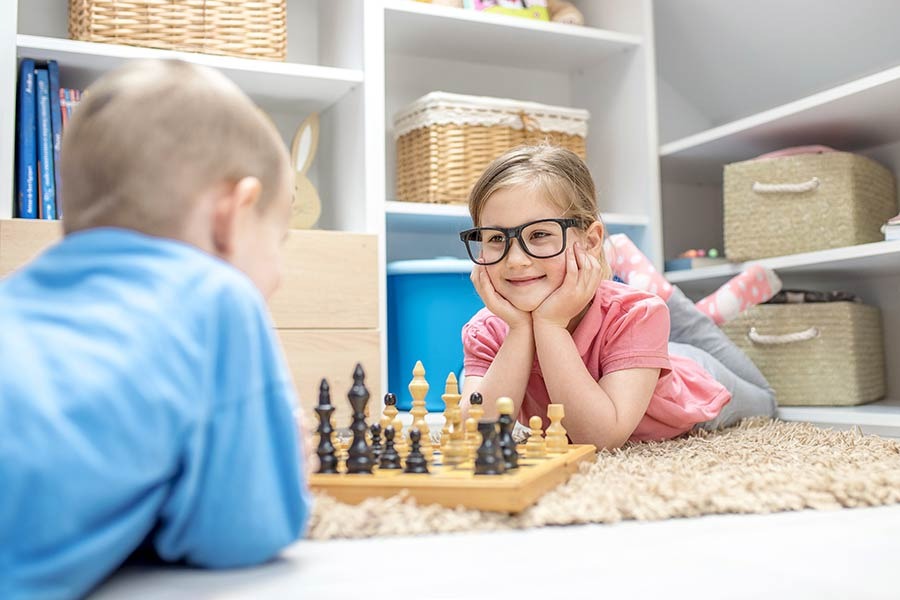
Playing chess helps kids grow their social skills and make friends. They join clubs or tournaments and meet others who like chess too. Here, they learn about teamwork and how to be nice to each other, even in a game.
Encouraging Teamwork and Sportsmanship
Chess teaches kids to work well with others. They play in teams and learn to use everyone's strengths. This helps them listen and value different ideas, making them better friends. Good sportsmanship is key in chess, teaching kids to respect everyone, win or lose.
Kids cheer for each other and feel happy when the team wins. They see rivals as chances to grow and get better. Each game helps them become more skilled.
This way, chess helps kids build good habits. They learn to talk better and build strong friendships outside of chess.
Incorporating Chess into Early Learning Curriculums
Having chess in early learning programs can really change how kids learn. Chess helps kids think better and learn important skills. When we add chess to schools, we help them learn how to solve problems and think critically at a young age.
Many schools in the country now include chess as part of what kids learn. For example, some schools have chess during school hours. This way, all kids can play chess and learn from it. Chess helps kids get better at paying attention and planning ahead.
We can make chess fun for kids by using games, learning together, and playing in tournaments. This makes kids like chess more. It also teaches them how to work with others and be fair. By doing this, we prepare kids to do well in school and with friends.
Teaching kids chess early helps them develop important life skills. Making chess a big part of school helps kids become smart and confident. They get ready to do well in the world. This doesn't just make school better, but also makes it more fun.
Parental Involvement in Chess Learning
Parents play a key role in their child's chess growth. They help by making a positive space that boosts learning.
Chess helps kids think better and brings families closer with fun times together.
Tips for Parents to Engage with Their Children
There are fun ways for parents to help with chess. Let's look at some:
- Attend Classes Together: Going to chess classes or contests with your child is a great way to learn and be happy together.
- Facilitate Home Practice Sessions: Regular practice at home makes getting better at chess enjoyable and a part of daily life.
- Utilize Chess Apps: Using fun chess apps or websites makes learning exciting. It helps improve chess skills in a cool way.
- Organize Parent-Child Chess Activities: Having chess games at home or small family tournaments makes learning a blast. It also strengthens family ties.
Knowing how to support your child in chess matters a lot.
These activities are not only good for learning but also for making happy memories together.
Success Stories: Children Who Excel through Chess
Many kids have soared in life because of chess. They got better at school and chess at the same time. These young chess players also focus better and solve problems well.
Chess helps kids grow in more than just school too. It teaches them to keep trying and to not give up. Parents and teachers tell amazing stories about chess changing kids' lives.
Kids who join chess tournaments get more confident and make friends. Their chess wins show how much they have grown inside and out.
Chess makes kids smarter and happier. It helps them in school and life. Chess gives them chances to grow in many ways.
Resources for Teaching Chess
To teach chess well, we should use great tools made for kids. There are chess educational tools like books, websites, apps, and groups. They help bring chess into schools. Here’s a good list to support our teaching.
- Books:Chess for Kids by Michael Basman: This book has easy pictures and fun details. It's great for teaching chess to kids.
- The Bobby Fischer Teach Chess by Bobby Fischer: This book is wonderful for teaching kids chess tricks while keeping them interested.
- Websites:ChessKid.com: This site is made for kids. It has lessons, puzzles, and games just for them.
- Lichess.org: It's a free site with lessons and chances to play chess online with friends.
- Apps:Chessimo: This app helps make your chess skills better with puzzles and special games.
- Magnus Trainer: Made by Champion Magnus Carlsen, this app mixes fun and learning.
- Organizations:Chess in Schools: They help make chess a part of school learning. They provide teacher resources and materials.
- The Chess Club and Scholastic Center of Saint Louis: They give out learning materials and host events for young players.
Using these chess tools can help us make great lessons. Lessons that make young ones think hard and learn strategies while having fun.
Conclusion
Chess helps kids in many ways that go beyond the game. It gives them skills for thinking, feeling, and being with others. Chess makes kids better at solving problems. It also helps them think deeply and make smart choices.
Chess teaches patience, hard work, and working together. It helps kids grow in a fun way. By adding chess to schools, we help kids in more ways than just schoolwork. This helps them do well and be happy in life.
Thinking about chess and kids shows us how good it is for them. It makes their lives better. It helps them on their way to doing great things.